Easy Weeknight Cheese Pizza Ideas for Busy Families
@travisswvf790
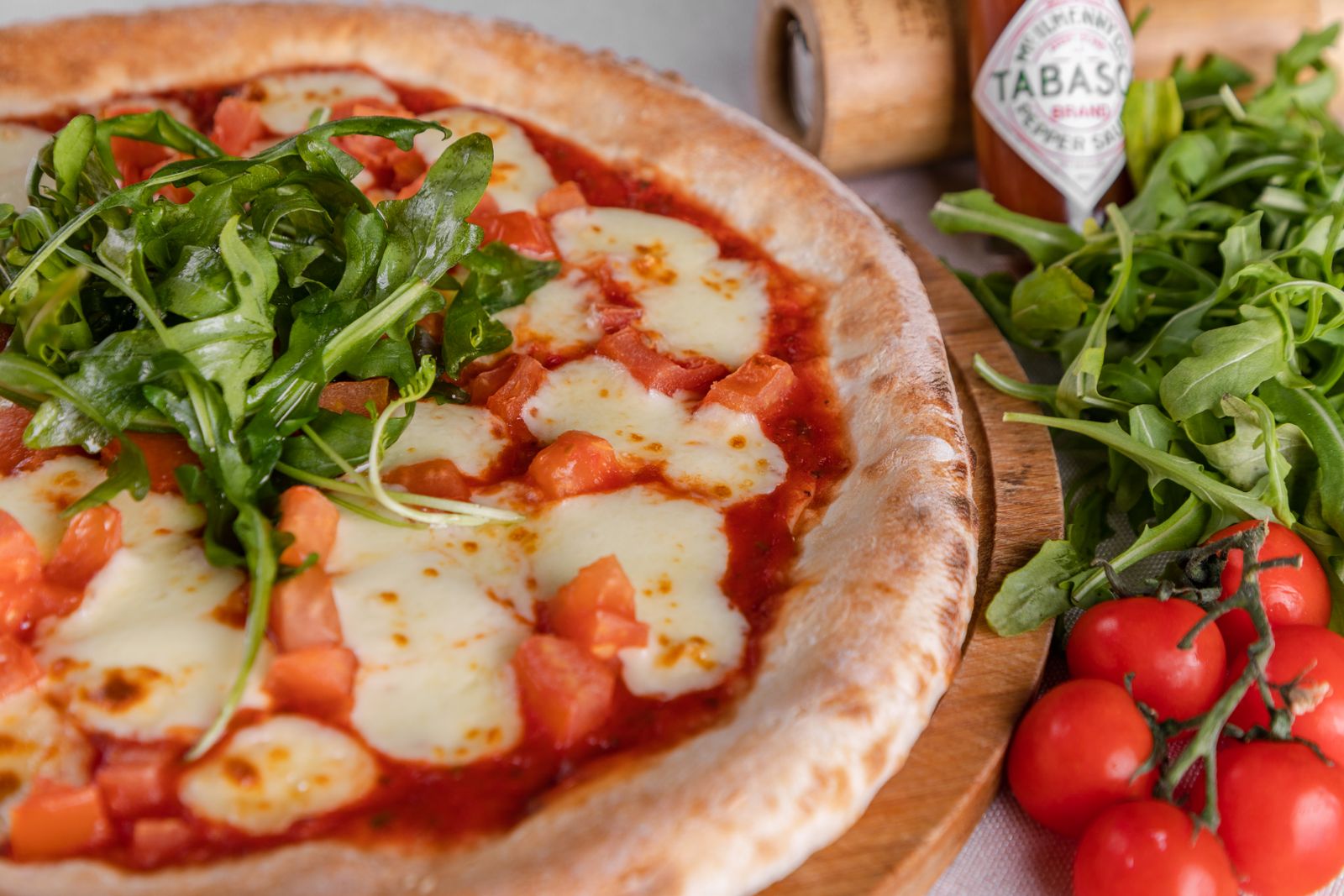
There are dinners that ask for attention, and there are dinners that quietly rescue the evening. Cheese Pizza falls into the second category. On a busy weeknight, that matters more than culinary ambition. When homework drifts across the table, someone still needs a ride to practice, and the sink already looks full before dinner has even started, a simple pizza can feel less like a fallback and more like good planning.
That is especially true for families. Cheese Pizza has an unusual advantage over many quick meals because it satisfies several competing needs at once. It is familiar to picky eaters, flexible enough for adults, inexpensive when handled well, and fast enough to fit inside the narrow window between work and bedtime. It also scales easily. A single sheet pan can feed a small family, and two pizzas can cover a crowd without much more effort than one.
The mistake many people make is assuming weeknight pizza has to come from a delivery box or a freezer aisle. Both have their place, and there are nights when either is the right answer. But homemade, semi-homemade, and heavily assisted versions can all be realistic. Once you understand where to save time and where quality matters most, Cheese Pizza becomes one of the most useful meals in a weekly rotation.
What makes weeknight pizza actually easy
The answer is not a secret recipe. It is reducing friction. Families do not need the perfect Neapolitan crust on a Tuesday. They need a process that works when the day has already been long.
In practical terms, easy pizza depends on four things: a manageable dough option, a sauce that tastes good straight from the jar or fridge, cheese that melts evenly, and a cooking method that does not require restaurant equipment. Most of the stress disappears when those decisions are made in advance.
Dough is the first fork in the road. If you enjoy making dough from scratch and can do it without turning dinner into a project, great. A simple same-day dough works well. But store-bought dough, naan, pita, flatbread, French bread, tortillas, and even refrigerated biscuit dough can all produce a satisfying result. Families often get stuck because they compare a weeknight meal to a weekend cooking hobby. Those are different categories. The goal on a school night is a hot dinner everyone will eat, not a personal best in crust development.
Sauce matters, but not in the fussy way people think. A basic pizza sauce, crushed tomatoes with olive oil and salt, or even a lightly seasoned marinara can all work. The most common problem is using too much. Heavy sauce slows browning, makes the center soggy, and can turn a promising pizza into a floppy one. For most medium pizzas, a thin layer is enough. You should still see the dough underneath in places before the cheese goes on.
Then comes the cheese. Low-moisture mozzarella is the reliable standard for weeknight Cheese Pizza because it melts evenly and does not release too much water. Fresh mozzarella tastes excellent, but it requires a little care. If it is not drained and patted dry, it can leave puddles across the surface. In a busy kitchen, reliability usually wins. A blend of shredded mozzarella and a smaller amount of provolone or fontina adds flavor without complicating the process.
The smartest shortcuts are the ones you plan before 5 p.m.
A weeknight dinner fails long before anyone turns on the oven. It fails when there is no decision made about what to cook. Pizza solves that well because most of its components hold nicely in the refrigerator.
If your family eats pizza regularly, keep one or two dough options available at all times. Many grocery stores sell fresh dough that lasts a few days. It can also be frozen. Sauce can be portioned into small containers, which is useful because a large jar often gets half-used and forgotten. Cheese can be shredded ahead if you buy blocks, though pre-shredded is perfectly acceptable when speed matters. If you have ever stood at the counter grating cheese while children ask when dinner will be ready, you already know that idealism has limits.
One practical habit makes a bigger difference than almost anything else: treat pizza night like a kit, not a recipe. Put the dough, sauce, cheese, oil, and seasonings in a predictable place. Once that routine is in place, dinner starts moving almost automatically. Families with younger kids often do better when ingredients are accessible and repetitive. Familiarity cuts decision fatigue for adults too.
Here are the components worth keeping on hand for a fast Cheese Pizza night:
- A ready-to-use base, such as fresh dough, flatbread, naan, or tortillas.
- A dependable sauce, either jarred pizza sauce or simple seasoned crushed tomatoes.
- Low-moisture mozzarella, plus one optional extra cheese for flavor.
- Olive oil, dried oregano, garlic powder, and red pepper flakes for quick finishing.
- Cornmeal or parchment paper to make transfer and cleanup easier.
That small amount of preparation can shave fifteen to twenty minutes off dinner, which on a weeknight is often the difference between calm and chaos.
Choosing the right style for the night you are having
Not every evening deserves the same kind of pizza. This is where a little judgment helps. Some nights you have thirty minutes and enough bandwidth to stretch dough. Other nights you need everyone fed in twelve.
A sheet pan pizza is one of the best choices for busy families. It is forgiving, feeds several people, and does not require delicate shaping. The crust tends to be slightly thicker and softer than a stone-baked pizza, which many children prefer anyway. Coat the pan lightly with oil, press the dough outward with your fingertips, let it relax if it fights back, then top and bake. If your oven runs cool, start the pan on a lower rack so the bottom gets a head start.
Flatbread pizza is even faster. Naan, lavash, pita, and pre-baked crusts all crisp quickly and work well for individual portions. This style is especially helpful when family members want different toppings, though a classic Cheese Pizza often ends the debate before it starts. Because the base is already cooked, dinner moves quickly. The downside is that these crusts can dry out if overbaked, so keep an eye on them. In many ovens, seven to ten minutes is enough.
French bread pizza deserves more respect than it usually gets. It has nostalgia on its side, but it is also functional. Split a loaf, toast it briefly, add sauce and cheese, and bake until bubbling. The pre-toast prevents sogginess and gives you a crisp edge that holds up well. Families with very young children often find this style easier to serve because each piece is sturdy and less likely to slide apart.
Tortilla pizza can sound too minimal, but for truly frantic nights it works. Use two tortillas layered with a little cheese between them if you want a sturdier base. The texture is closer to a thin, crisp flatbread than traditional pizza, but the flavor profile is there, and dinner can be on the table in under fifteen minutes.
When people say homemade pizza takes too long, they are usually picturing only one version of pizza. Busy families need a few versions and the freedom to choose the one that matches the evening.
How to build a Cheese Pizza that tastes better than “just cheese”
A plain pizza lives or dies on balance. Without sausage, peppers, or pepperoni to distract you, every element is more exposed. The good news is that a great Cheese Pizza does not require complexity. It requires restraint.
Start with a thin layer of sauce. Add enough cheese to cover the surface generously, but not so much that it becomes heavy and greasy. That point varies by crust size and thickness, though most home cooks use more cheese than necessary. You want melted coverage and browned spots, not a blanket so thick it insulates the crust from the oven heat.
Seasoning matters more than many people realize. A light brush of olive oil around the edges helps browning and adds flavor. A pinch of dried oregano over the sauce, or a little garlic powder mixed into it, can make the pizza taste more complete without reading as obviously “seasoned.” If adults in the house like heat, red pepper flakes can be added at the table rather than before baking.
Finishing touches also separate a good family pizza from a forgettable one. A little grated Parmesan after baking sharpens the flavor. A few torn basil leaves add freshness if you have them. Neither is essential, which is exactly why they are useful. They elevate the meal without creating dependence on specialty ingredients.
One thing I have learned from a lot of home pizza nights is that children often care less about gourmet upgrades than adults expect. Crisp crust, familiar sauce, and melted cheese usually matter more than artisan details. Adults, on the other hand, often appreciate one small touch that makes the dinner feel deliberate rather than rushed. Parmesan, basil, or a drizzle of olive oil can do that quietly.
A realistic weeknight method that works
There is a big difference between a recipe that sounds simple and one that feels simple at 6:15 p.m. The method below is one of the most reliable for a family-sized Cheese Pizza, especially if you are using store-bought dough.
Take the dough out of the refrigerator early if you can. Even twenty to thirty minutes helps it relax and become easier to stretch. Heat the oven as high as your pan allows, often between 450 and 500 degrees Fahrenheit. Put a sheet pan in the oven while it heats if you want a better bottom crust, though this step is optional on hectic nights.
While the oven heats, oil your pan lightly and prepare the toppings. Stretch or press the dough into place. If it springs back, pause for five minutes, then continue. Spread the sauce thinly, leaving a small border around the edges. Add the mozzarella, plus a little Parmesan if desired, and brush the outer crust with olive oil.
Bake until the cheese is bubbling and the edges are deeply golden. Depending on the oven and crust thickness, that may take about twelve to eighteen minutes. If the top is done before the bottom, move the pan to a lower rack for a couple of minutes. If the crust browns too fast, reduce the heat slightly next time. Home ovens vary more than recipes admit, so the first pizza teaches you how your kitchen behaves.
Let the pizza rest briefly before slicing. Cheese Pizza Two minutes can make a real difference. Cheese settles, slices hold together better, and nobody burns the roof of their mouth reaching for the first piece. That small pause often feels impossible with hungry kids nearby, but it is usually worth it.
When homemade dough is worth it, and when it is not
For some families, making dough is relaxing. For others, it is the point where dinner becomes a burden. Neither response is wrong.
If you like baking and can mix dough earlier in the day, homemade dough can save money and improve flavor. It also gives you control over texture. A wetter dough can produce a more open crumb, while a slightly richer dough bakes up softer and more sandwich-like, which some families prefer. But homemade dough asks for timing, and timing is usually the scarce resource on weeknights.
Store-bought dough earns its place because it removes a whole category of work. Fresh dough from the grocery store is especially useful if you can remember to move it from the refrigerator in time. Frozen dough is a good backup, though it requires more thawing time than many people anticipate. If you consistently forget to plan ahead, flatbreads and pre-baked crusts may actually be the better system for your household.
That kind of honesty matters. The best family meal strategies fit real habits, not ideal ones. If a shortcut means dinner happens with less stress and fewer dishes, it is not a compromise in any meaningful sense.
Making Cheese Pizza feel different from week to week
One reason pizza stays in a family rotation is that it adapts easily. Even if you keep the meal centered on Cheese Pizza, small changes in crust, cheese blend, or finish can prevent it from feeling repetitive.
These are a few easy variations that keep the same basic meal fresh:
- Use a sheet pan one week, naan the next, and French bread the week after.
- Swap part of the mozzarella for provolone, fontina, Monterey Jack, or a little sharp white cheddar.
- Try red sauce one night and a very light garlic-olive oil base another.
- Finish with basil, Parmesan, or chili flakes at the table for the adults.
- Serve it with a different side, such as sliced cucumbers, tomato soup, or a simple salad.
That kind of variation is enough for most families. It changes the mood of the meal without changing the effort required.
Sides that make pizza night feel complete
Cheese Pizza can absolutely stand alone, especially on a rushed evening, but the right side helps round out the meal and keeps everyone satisfied. The best side dishes are quick, cool, and low-effort. Pizza already takes up oven space and attention, so the companion dish should ask for very little.
A crisp salad is the obvious answer, and often the best one. Romaine, cucumber, and a simple vinaigrette offer contrast to the richness of the cheese. Raw vegetables with ranch or hummus work well too, particularly for children who like predictability more than mixed salads. Fruit can also fill that role. Grapes, apple slices, or orange segments bring freshness and require no extra cooking.
On colder nights, tomato soup with Cheese Pizza can feel especially generous while still staying simple. It leans nostalgic, but it works. If using canned soup helps dinner happen faster, use it. The combination is satisfying and easy to scale.
Garlic knots and cheesy bread can be tempting, but they usually duplicate what is already on the table. For families trying to stretch a meal without making it heavier, vegetables or soup are usually the smarter balance.
Common problems, and the fixes that actually help
The most frequent complaint with homemade pizza is soggy crust. Usually the cause is one of three things: too much sauce, wet cheese, or insufficient oven heat. Start by reducing the sauce. Then consider switching to low-moisture mozzarella if you have been using fresh. If your oven has a convection setting, it can help with browning.
If the dough resists stretching, it is often too cold. Let it rest longer. If it still fights you, shape it in stages, giving it short breaks in between. Forcing dough usually leads to tears and frustration.
If the cheese browns before the crust is done, lower the pizza in the oven. Bottom heat matters. A preheated pan or pizza steel can help, but even without special equipment, oven position makes a difference.
If your family complains that homemade pizza tastes bland, the fix is rarely “more cheese.” It is usually a matter of seasoning and browning. Salt in the dough, a little oregano in the sauce, olive oil on the crust, and enough baking time for deep golden edges often do more for flavor than piling on extra toppings.
Getting kids involved without slowing everything down
Children often enjoy pizza night because it offers some ownership. That can be helpful, but only if it does not turn dinner into a craft project when everyone is already tired.
The trick is to assign jobs that are real but limited. One child can sprinkle cheese. Another can tear basil or set the table. Older kids can spread sauce if they understand what “thin layer” means in practice. Younger children generally do better with tasks that tolerate enthusiasm more than precision.
Individual pizzas can be fun, but they are not always the easiest option for a weeknight. A large shared pizza usually saves more time and produces better results. If children want some control, let them choose the shape of a smaller flatbread or pick one finishing touch. That gives them participation without adding too much complexity.
This is also one of the easier meals to teach kitchen basics. Kids can see how heat changes dough, how moisture affects texture, and why timing matters. Those lessons happen naturally while dinner gets made, which is often the best kind of cooking education.
Budget-friendly pizza that still tastes good
Family pizza night can be inexpensive, but costs creep up quickly when every ingredient is treated like a specialty product. The strongest budget move is buying only the upgrades you truly notice.
Blocks of mozzarella are often more economical than shredded bags, especially for larger families, though grating takes time. Jarred sauce can be cost-effective if you use it regularly and finish the jar. Store-brand dough is often good enough, particularly in a sheet pan format where the toppings and bake matter more than artisanal fermentation.
Fresh basil, fancy salami, imported cheeses, and specialty flours all have their place. They just are not essential to an excellent weeknight Cheese Pizza. If you want one splurge, make it the cheese blend or the olive oil, not every element at once.
Leftovers help the budget too. Cold pizza in lunchboxes is still one of the more practical next-day meals. A couple of extra slices can also solve tomorrow's after-school snack before you need to think about it.
Why Cheese Pizza stays in the rotation
For busy families, the best meals are not always the most impressive ones. They are the ones that return order to the evening. Cheese Pizza does that quietly. It buys time, pleases a wide range of eaters, and asks only for a handful of ingredients and a little rhythm.
That is why it remains so dependable. It can be almost homemade or fully homemade. It can be crisp and thin, thick and soft, fast and improvised, or a little more thoughtful when the evening allows. It can meet children where they are and still satisfy adults who want dinner to taste like someone cared.
Once you stop treating pizza as a special event and start treating it as a flexible family tool, it becomes much easier to pull off well. On a Wednesday night, that kind of meal is not ordinary. It is extremely useful.
Brooklyn Pizza
1647 Arapahoe Ave
Boulder, CO 80302
+1 720-328-2324
FAQ About Cheese Pizza
What type of cheese is used on a cheese pizza in Boulder, CO?
The cheese varies by pizzeria. Brooklyn Pizza uses whole-milk mozzarella made in-house on its standard pies and offers a plant-based cheese option for vegan pizza. Ask the shop directly about ingredients if you have a dietary restriction.
How many slices are in a large pizza in Boulder, CO?
Slice count depends on how the shop cuts the pie. Brooklyn Pizza lists a 16-inch large pizza. If you are ordering for a group, call to confirm the number of slices or ask whether a smaller cut is available.
What is New York style pizza in Boulder, CO?
New York-style pizza usually has a thin crust and wide slices that can be folded. A classic cheese slice pairs tomato sauce with mozzarella. Brooklyn Pizza serves New York-style pizza by the slice and as whole pies.