How to Host the Perfect Cheese Pizza Night
@travisswvf790
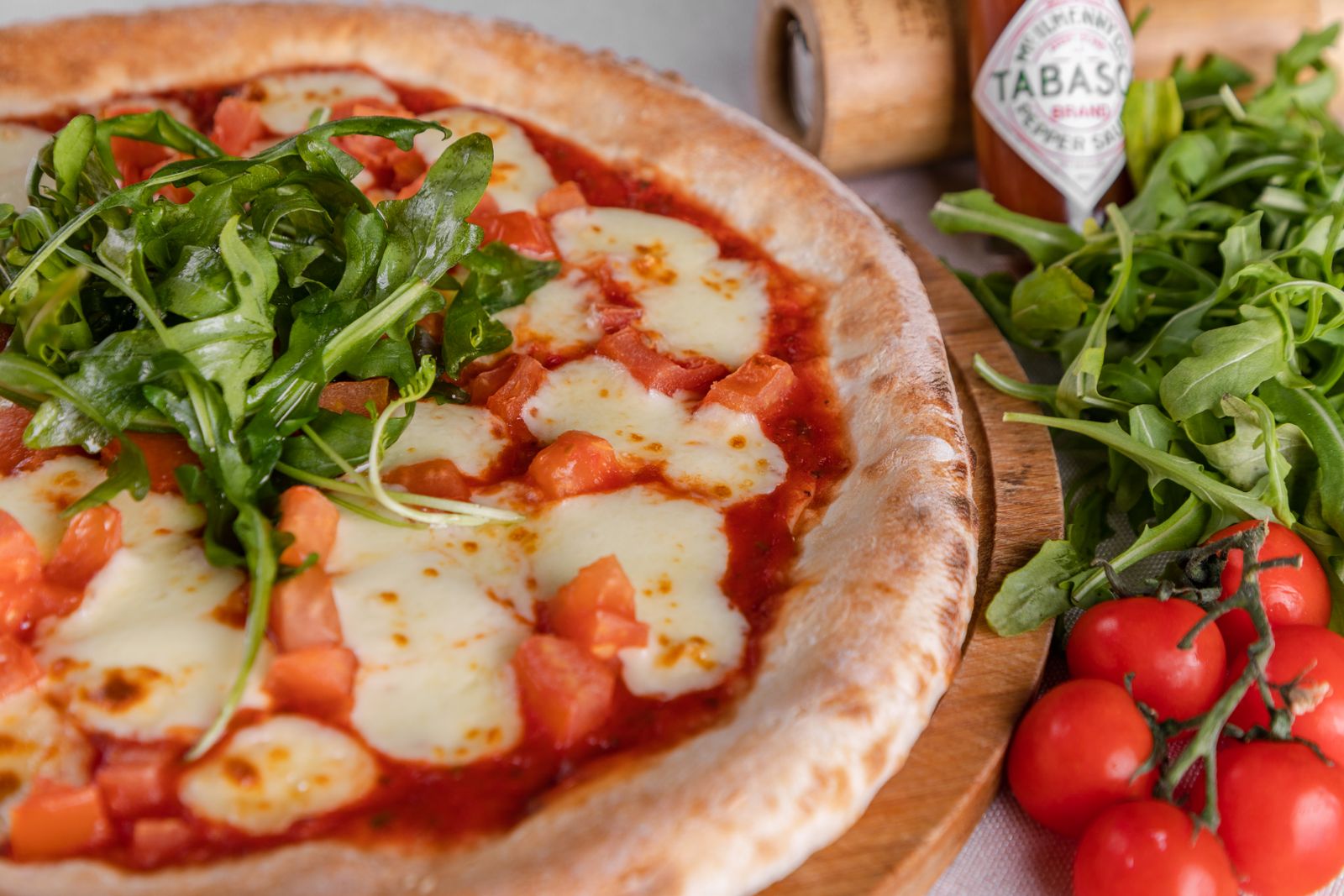
A great cheese pizza night feels effortless when you are a guest, but that ease usually comes from careful choices made ahead of time. The host has decided what kind of evening this is, family-style and loose, or polished and paced. They have thought about heat, timing, portions, and the small details that keep people around the table instead of drifting into the kitchen to ask what is ready. That is the real difference between a decent gathering and one people ask you to repeat.
Cheese Pizza might sound simple, almost too simple to build a whole evening around. That is exactly why it works. A plain pie leaves nowhere to hide. If the crust is limp, everyone notices. If the sauce is too sweet, it dominates. If the cheese is greasy or sparse, the balance falls apart. But when you get those three elements into alignment, cheese pizza is generous, crowd-pleasing, and much more interesting than its reputation suggests.
It also solves one of the oldest dinner-party problems: how to feed a mixed group without turning the meal into a negotiation. Not everyone agrees on olives, anchovies, mushrooms, or pineapple. Nearly everyone will take a slice of well-made cheese pizza, and from that common starting point you can build an evening with very little friction.
Start by deciding what kind of night you are hosting
Before you buy flour or order dough, decide whether this is a hands-on pizza night or a hosted meal built around pizza. Those are different experiences, and the difference affects everything from how many guests you can comfortably invite to how much counter space you need.
A hands-on night can be lively, especially with close friends or families with older kids. People shape dough, debate mozzarella choices, and compare one pie to the next. It is interactive, forgiving, and usually a little messy. It works best when the group enjoys participation and you are not worried about a bit of flour on the floor.
A hosted pizza night is smoother. Guests arrive, snacks are ready, drinks are cold, and pizzas begin landing on the table in a steady rhythm. This format tends to suit larger groups and guests who do not know one another well. It keeps the host in charge of pace and quality.
In my experience, most first-time hosts do better with the second version. People often imagine a communal dough-stretching party, then discover that six adults reaching for the same flour bin creates traffic, not charm. If your goal is a relaxed evening and reliably good pies, handle the production yourself and let everyone else enjoy the results.
The guest count matters more than the recipe
Cheese pizza night scales nicely, but only within the limits of your oven and your nerves. A home oven can produce excellent pizza, yet it cannot produce endless pizza all at once. Many hosts underestimate how much the evening depends on throughput, how many pies you can make per hour at a quality you are proud of.
For a standard home oven, six to eight guests is usually the sweet spot if pizza is the main event. Ten can still work, but only if you are organized, use smaller pies, or serve substantial appetizers beforehand. Once you get above that number, you need to either stagger dinner on purpose or simplify the experience and accept that some people will be eating while others are waiting.
That is not necessarily a flaw. Some of the best pizza nights have a rolling, pizzeria-like pace. A pie comes out, gets sliced, disappears in four minutes, then another arrives. The room stays animated because there is always something hot to reach for. The trick is to make the pacing feel intentional rather than delayed.
As a rule of thumb, plan on about half to three-quarters of a 12-inch pizza per adult if you are serving salad, nibbles, and dessert. For hungrier groups, especially younger adults or sports-night crowds, a full 12-inch pie per person is not absurd. Cheese pizza goes down quickly.
Build the menu around restraint
The smartest cheese pizza night menus are not ambitious. They are edited. Pizza already brings starch, acid, fat, and salt. If every supporting dish competes for attention, the table feels heavy fast.
A crisp salad is usually enough. Bitter greens work especially well because they cut through the richness of melted cheese. A simple dressing with lemon or red wine vinegar does more for the meal than a complicated side ever will. Marinated olives, roasted nuts, or a plate of shaved fennel can also make sense, but only if they are truly easy to put out.
This is one place where hosts often overprepare. They make dips, a charcuterie board, garlic knots, and two desserts, then discover that guests fill up before the first pizza reaches its peak. If the point of the evening is Cheese Pizza, let it remain the point.
Drinks should follow the same logic. Beer is obvious for good reason, but not every cheese pizza night needs to be a craft-beer tasting. A light lager, a pilsner, a sparkling water with citrus, and perhaps one easy red wine are enough. The best pairings refresh the palate instead of coating it further.
Your dough choice sets the ceiling
If you make your own dough, excellent. If you buy it from a local pizzeria or bakery, also excellent. A successful host cares more about consistency than bragging rights. There is no prize for exhausting yourself with a dough recipe you have never tested.
Homemade dough offers control over fermentation, hydration, and flavor. It can also be temperamental, especially if your kitchen runs warm or your schedule slips. Store-bought dough removes uncertainty and often performs better than novice-made dough, particularly if it comes from a place that sells a Cheese Pizza lot of it and turns it over daily.
The key is to treat dough properly once you have it. Cold dough needs time to relax. If you try stretching it straight from the refrigerator, it will fight you, shrink back, and make you curse in front of your guests. Give it at least one to two hours at room temperature, sometimes more depending on the size and temperature of the dough ball.
For most home hosts, medium hydration dough, not too wet, not too lean, is easiest to manage. A heavily hydrated artisan dough can produce lovely open crumb, but it also raises the odds of sticking, tearing, and malformed transfers. A slightly more forgiving dough is the better party choice.
Cheese is not a single decision
People say “cheese pizza” as if that means one ingredient. It does not. Cheese determines melt, stretch, browning, salt level, and the amount of surface oil your pizza releases. Those details shape whether the finished pie feels balanced or clumsy.
Low-moisture mozzarella is the workhorse for home pizza. It melts evenly, browns predictably, and avoids the puddling you often get with very wet fresh mozzarella. Fresh mozzarella has a beautiful dairy flavor, but too much moisture can soften the crust and cool the pie. If you want to use it, tear it ahead of time and let it drain well on towels.
The best results often come from blending. A base of low-moisture mozzarella with a smaller amount of provolone, fontina, or a restrained shower of Parmesan gives you more complexity without making the pizza heavy. The word restrained matters. Rich cheese blends sound appealing on paper, then become monotonous by the second slice.
One common host mistake is underestimating how little cheese a pizza actually needs. Home pies are often overloaded because bare spots look wrong before baking. Then the cheese melts into a thick blanket that insulates the crust and buries the sauce. In practice, moderate coverage almost always eats better.
Sauce should support, not dominate
Cheese pizza lives or dies on balance. The sauce needs enough brightness to keep the pie from tasting flat, but not so much sugar or seasoning that it starts reading like pasta sauce. If your tomato mixture contains onion powder, garlic powder, dried basil, oregano, sugar, and a long simmer, it may still be delicious, just not ideal for pizza.
A simple crushed tomato sauce with salt and maybe a touch of olive oil is usually enough. Some of the best home pizza sauces are not cooked beforehand at all. They cook on the pie, preserving freshness. The tomatoes matter here. If you start with bland or metallic-tasting tomatoes, the sauce will never become elegant through seasoning alone.
The amount matters just as much. Too little, and the pizza tastes mute. Too much, and the center goes soft. For a 12-inch pie, a modest ladle spread thinly is usually right. You should see a translucent red layer, not a soup.
Set up your kitchen like a working line
Professional kitchens run on staging, and a good home pizza night should too. Once guests arrive, you want the physical work reduced to a repeatable sequence. Dough, flour, sauce, cheese, peel, cutter, serving board, and hot pads should be placed so you can reach them without crossing the room three times.
This is where preparation pays off:
- Portion dough and let it come to room temperature before guests arrive.
- Grate or tear cheeses ahead of time and keep them chilled but accessible.
- Pre-mix sauce, wash salad greens, and set drinks out early.
- Clear landing zones for hot pizzas, both at the oven and at the table.
- Keep a backup plan, such as one par-baked crust or an extra dough ball, in case a pie tears.
That last point sounds minor until the first pizza sticks to the peel and folds over itself halfway into the oven. It happens, even to experienced cooks. The calm host recovers because they planned for one mistake.
If you are using a pizza stone or steel, preheat longer than you think you need. Forty-five minutes is often the minimum. An hour is safer. Heat stored in the baking surface is what gives you fast oven spring and color on the bottom crust. Rushing preheat is one of the most reliable ways to get pale, disappointing pizza.
Timing is the part guests feel most clearly
A pizza night can survive an imperfect pie. It usually cannot survive confusion. Guests sense drift right away when the oven is still preheating after the first drink has been poured, or when one person has eaten two slices and another has not seen food yet. Good timing creates confidence.
A simple flow helps:
- Serve a light snack and drinks within ten minutes of arrival.
- Put the first pizza in the oven no later than thirty minutes after guests settle in.
- Send out pies in steady intervals, ideally every eight to twelve minutes.
- Toss and dress the salad midway through the pizza run, not at the beginning.
- End with something small and easy, such as gelato, fruit, or biscotti.
That pacing gives the evening momentum. It also keeps you from peaking too early with appetizers. People remain pleasantly hungry for the pizzas, which is the entire point.
If your oven setup only allows one pie at a time, embrace the rhythm instead of apologizing for it. Slice smaller pieces, encourage sharing, and announce each pie as it lands. Guests usually enjoy the progression when the host appears composed. They only get restless when they suspect no one is driving the train.
The oven you have is the oven to plan around
Many articles about pizza jump straight to ideal equipment, which is useful up to a point. Yet most hosts are working with a standard kitchen oven. Perfection comes less from owning specialized gear than from understanding the constraints of what you already have.
A pizza steel generally performs better than a stone in a home oven because it transfers heat more aggressively and recovers faster between pies. That matters during a party. A stone can still produce excellent results, particularly for slightly longer bakes or thicker crusts, but recovery time can slow your service.
Broiler-assisted baking can help with top color if your cheese is pale before the crust is ready. You do need to know your oven well, though. The line between browned and scorched is short. I always recommend testing one or two pizzas before party night if you are using a new method.
Outdoor pizza ovens are wonderful if you own one and have practiced with it. If you have not, a party is the wrong time to learn. They run hotter, cook faster, and punish hesitation. A 90-second pizza sounds glamorous until the first one burns while you are talking to a neighbor.
Atmosphere matters, but not in the obvious way
You do not need red-checkered napkins or an Italian playlist on loop. People respond more strongly to comfort than theme. Good lighting, enough places to set down a plate, and a table that is not cluttered with random mail do more for the night than decorative gestures.
Music should sit behind conversation, not compete with it. Warm, indirect light helps the room feel fuller. Cloth napkins are a nice touch if you already own them, but paper napkins are perfectly sensible with pizza. The practical requirement is abundance. No guest should wonder where to put a crust end or how to wipe their hands.
If children are part of the evening, the smartest move is to include them without making them responsible for the meal. Let them sprinkle cheese on one designated pie, then move them toward the table. A child shaping dough can be adorable for six minutes and disruptive for forty.
Small choices that separate good from excellent
Seasoning the crust edge with nothing but a light brush of olive oil can be enough. Garlic butter sounds festive, but on a cheese pizza it can push the whole pie toward heaviness. Similarly, finishing with torn basil is lovely when the leaves are fresh and dry. Wet, bruised basil tossed on as an afterthought tends to look better than it tastes.
Cutting matters. A pizza left whole for too long traps steam and softens. A pizza cut too aggressively the second it leaves the oven can drag the cheese. Give it a short rest, usually around a minute, then slice decisively. If you are serving several pies in succession, smaller slices encourage guests to sample more than one without overcommitting.
Temperature at the table matters too. Warm plates are a luxury, not a necessity, but cold plates can steal heat surprisingly fast from thin-crust pizza. If your kitchen runs cold, even setting plates near the oven for a few minutes can help.
And then there is the final seasoning. A little flaky salt or a restrained grating of hard cheese after baking can sharpen flavor. Red pepper flakes should be on the table, not on every pie by default. The perfect cheese pizza night gives guests room to tune each slice to their taste without forcing one profile on everyone.
What to do when things go wrong
At some point, a dough sticks, a crust blisters more than planned, or the third pizza comes out less beautiful than the first. That is normal. Guests rarely judge a homemade meal by restaurant standards unless the host invites comparison by spiraling visibly.
If a pizza tears before baking, fold it into a rustic oblong and keep moving. If the top is done but the bottom needs more color, finish the pizza briefly in a skillet on the stovetop. If you run behind, serve the salad immediately and reset the tempo. The useful instinct is not perfection. It is recovery.
I once hosted a pizza night where the first pie launched beautifully, the second caught on a patch of semolina and landed like a calzone accident, and the third was the best of the evening. Nobody remembered the miss except me. Guests remember generosity, heat, and pace more than symmetry.
Make the evening feel complete
Dessert should be easy enough that you can present it without reentering production mode. Store-bought gelato, sliced pears with a few cookies, or affogato if you have espresso are all strong finishes. The meal has already made its point by then. Your final job is simply to close the arc gracefully.
The same principle applies to cleanup. If possible, soak tools and stack essentials during the party so the kitchen does not resemble a flour storm afterward. Guests can tolerate a lived-in kitchen. They do not want to watch the host disappear under a mountain of sheet pans while everyone else lingers over the last drink.
The perfect cheese pizza night is not about ornate toppings or a dozen competing dishes. It is about control where control matters, heat, timing, balance, and enough foresight that the room stays relaxed. When the crust has chew and crispness, the sauce tastes bright, the cheese stretches without pooling grease, and another pie appears just as the last slices disappear, the evening takes care of itself.
That is the quiet magic of Cheese Pizza. Its simplicity raises the bar, but it also clarifies the job. Serve food that is hot, balanced, and abundant. Keep the room comfortable. Respect your oven’s limits. If you do those things well, people will leave full, happy, and already talking about the next time.
Brooklyn Pizza
1647 Arapahoe Ave
Boulder, CO 80302
+1 720-328-2324
FAQ About Cheese Pizza
What type of cheese is used on a cheese pizza in Boulder, CO?
The cheese varies by pizzeria. Brooklyn Pizza uses whole-milk mozzarella made in-house on its standard pies and offers a plant-based cheese option for vegan pizza. Ask the shop directly about ingredients if you have a dietary restriction.
How many slices are in a large pizza in Boulder, CO?
Slice count depends on how the shop cuts the pie. Brooklyn Pizza lists a 16-inch large pizza. If you are ordering for a group, call to confirm the number of slices or ask whether a smaller cut is available.
What is New York style pizza in Boulder, CO?
New York-style pizza usually has a thin crust and wide slices that can be folded. A classic cheese slice pairs tomato sauce with mozzarella. Brooklyn Pizza serves New York-style pizza by the slice and as whole pies.