How to Upgrade a Simple Cheese Pizza With Smart Techniques
@travisswvf790
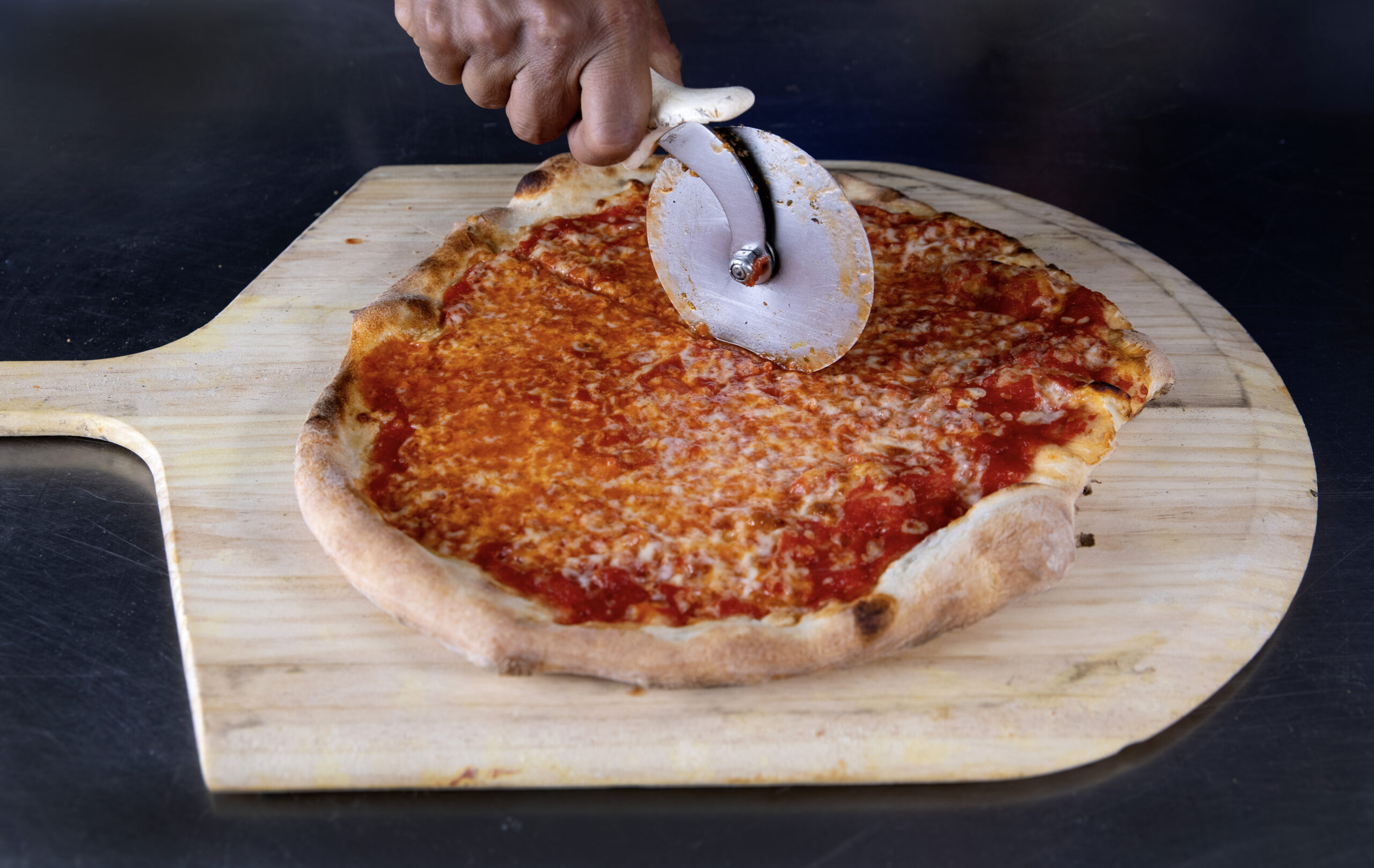
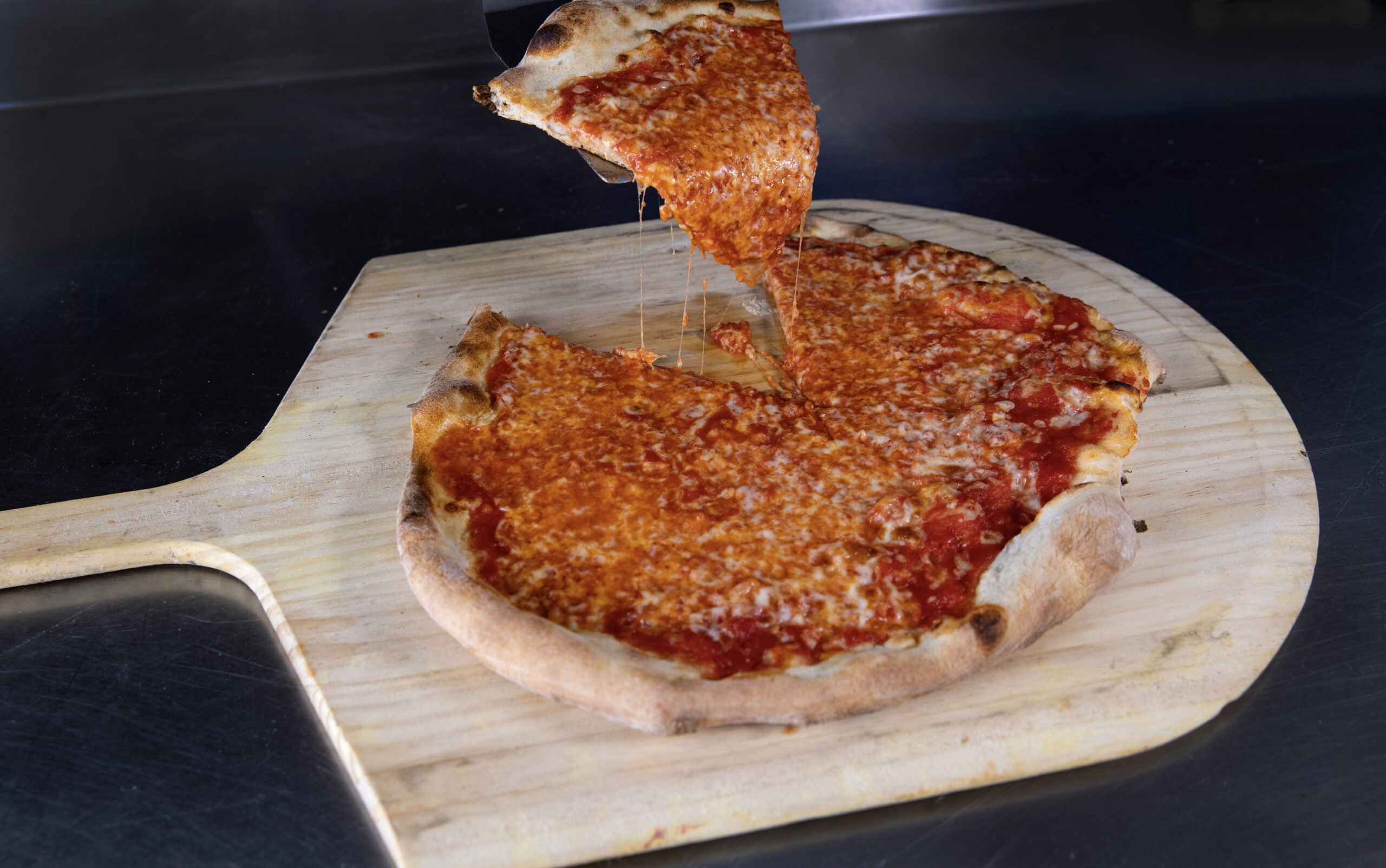

A plain cheese pizza has nowhere to hide. There is no pepperoni to distract from a weak sauce, no pile of vegetables to camouflage rubbery mozzarella, no drizzle of hot honey to rescue a bland crust. That is exactly why it is such a useful canvas. When you learn how to improve a cheese pizza, you learn the mechanics of good pizza itself.
Most people start by adding more cheese or buying a pricier jar of sauce. Those changes can help, but the biggest improvements usually come from technique. Heat management matters more than people expect. Cheese choice matters, but so does how that cheese is cut, drained, and applied. A modest dough can bake far better if it is stretched differently or finished with a touch of oil at the right time. Even the timing of the sauce can change the way the finished pie eats.
I have made excellent cheese pizza with supermarket dough, low cost canned tomatoes, and basic mozzarella. I have also seen expensive ingredients produce a sad result because the oven was not hot enough, the crust was overloaded, or the pizza sat on a sheet pan too long. Smart technique closes that gap. It lets ordinary ingredients behave like better ones.
Start with the crust, because everything sits on it
When a cheese pizza disappoints, the crust is often the real culprit. If the base bakes pale and dense, it does not matter how nice the cheese is. You need structure underneath. In practical terms, that means a dough that can brown quickly, puff at the edge, and stay crisp enough to support sauce and cheese.
If you are making dough from scratch, a moderate hydration dough, somewhere around 62 to 68 percent water by baker’s percentage, gives a home cook a lot of flexibility. It is wet enough to produce tenderness and some oven spring, but not so slack that it turns shaping into a wrestling match. A little olive oil in the dough can encourage browning in a home oven, especially if your oven tops out around 500 to 550 degrees Fahrenheit.
If you are using store bought dough, let it come fully to room temperature before stretching. That sounds basic, but it is one of the most common missed steps. Cold dough fights back. People force it, tear it, overflour it, then wonder why the crust comes out tough. A properly rested dough relaxes, stretches more evenly, and forms a better rim. Give it at least 60 to 90 minutes on the counter, sometimes longer if it started very cold.
How you shape the dough matters almost as much as the recipe. Press from the center outward and leave a slightly thicker border. Do not crush the outer edge flat. That outer ring traps gas and becomes the airy cornicione, which adds contrast to a cheese pizza that otherwise risks feeling one note. If you use a rolling pin, you will get a flatter, more cracker like crust. That is not inherently wrong, but it is a different style, and it tends to reduce the lightness people often want in a classic cheese pizza.
Heat is an ingredient, not just a setting
Home ovens are limiting, but they are not helpless. The biggest mistake I see is impatience. People preheat for ten minutes, slide in the pizza, then judge the recipe when the bottom stays blond. A pizza stone or steel needs time to saturate with heat. Thirty minutes is a minimum. Forty five to sixty is safer, especially with a thicker stone or steel.
A steel generally transfers heat faster than a stone, so it often gives better bottom browning in a standard kitchen oven. A stone is more forgiving and still works well, particularly for slightly longer bakes. Either way, place it in the upper middle or upper third of the oven if your top heat is weak. That helps the cheese blister before the bottom overdries.
If your oven has convection, try it, but watch closely. Convection can help with overall browning, though some ovens drive off moisture too quickly and harden the cheese. The right setting varies by machine. That is one of those places where experience matters more than dogma. A strong conventional bake on a well preheated steel often beats a mediocre convection bake on a cold sheet pan.
One small but powerful Cheese Pizza trick is to launch the pizza onto parchment for the first minute or two if your dough is sticky, then pull the parchment out once the base sets. That can save a difficult transfer without sacrificing too much browning. It is a compromise, and good pizza often comes from smart compromises.
Cheese deserves more thought than “more is better”
The phrase cheese pizza sounds simple, but the cheese itself can be a technical puzzle. Low moisture mozzarella behaves very differently from fresh mozzarella. Whole milk mozzarella melts richer and browns better than part skim, but it can also release more oil if overapplied. Fresh mozzarella offers clean dairy flavor and beautiful white puddles, yet it carries a lot of water, which can soften the center if not handled carefully.
For a reliable, balanced cheese pizza, I often prefer a blend. Low moisture whole milk mozzarella provides melt and coverage. A smaller amount of fresh mozzarella brings delicacy and milky flavor. A restrained dusting of Parmesan or Pecorino adds salt and depth. This kind of layering creates complexity without making the pizza feel heavy.
The cut of the cheese matters. Thick slices can form uneven pools that slide off with the first bite. Finely shredded cheese melts quickly and covers efficiently, though it can brown too fast if your oven runs hot from above. Torn pieces of fresh mozzarella look appealing, but they should be drained well, ideally on paper towels for at least 15 to 30 minutes, longer if they seem especially wet.
The right amount of cheese is almost always less than people think. On a 12 inch pizza, roughly 4 to 6 ounces of mozzarella is often enough, depending on style. Once you go much beyond that, the top becomes greasy and insulated. The pizza bakes slower, the center softens, and the sauce loses definition. Great cheese pizza tastes like crust, tomato, and dairy in proportion. It should not feel like melted cheese on bread.
Sauce is not just a red layer
Cheese pizza can become dull if the sauce is flat. This is where restraint pays off again. A bright, lightly seasoned sauce often outperforms a heavily cooked one on a pizza. The oven will cook it more. If the sauce starts too dense, sugary, or herb loaded, the finished pie can taste muddy.
Good canned whole tomatoes, crushed by hand or pulsed briefly, usually beat jarred pizza sauce in both flavor and texture. Add salt. Maybe a little olive oil. Perhaps a pinch of oregano if that suits the style you want. Beyond that, be careful. Garlic can be excellent, but too much raw garlic in the sauce can dominate a simple cheese pizza. Sugar can round out sharp acidity, but many canned tomatoes do not need it.
The amount matters just as much as the seasoning. Too little sauce and the pizza eats dry. Too much and the center turns soupy. For a 12 inch pie, about a scant half cup is often plenty. Spread it thinly, leaving that rim clear. If you want more tomato presence, increase the quality of the tomatoes rather than flooding the dough.
One overlooked option is to spoon the sauce a little more thickly in the center and slightly lighter toward the edge of the cheese line. That compensates for the fact that cheese and crust tend to dominate the outer bites. It is a subtle adjustment, but small adjustments are often what elevate a pizza from decent to memorable.
The order of assembly changes the final texture
There is no single correct way to top a cheese pizza, but there are useful patterns. Sauce first and cheese over the top is the standard for good reason. The cheese protects the sauce from drying out, and the sauce helps anchor the cheese. Yet small deviations can improve a pie depending on the ingredients.
If you are using fresh mozzarella, try a partial bake with sauce and a modest amount of low moisture mozzarella first, then add the fresh mozzarella halfway through. That limits water release and preserves the fresh dairy character. If your Parmesan tends to brown too aggressively, save some for the post bake finish instead of adding it all before the pizza goes in.
Olive oil is another place where timing matters. A light drizzle before baking can encourage browning and richness. A different drizzle after baking keeps its aroma more vivid. If you use a peppery extra virgin olive oil, post bake is usually the better move. Heat can flatten its nuances.
Small upgrades that punch above their weight
Not every improvement requires special equipment or a longer process. Some of the smartest techniques are quick.
- Grate low moisture mozzarella yourself instead of using pre shredded cheese, which often contains anti caking agents that hinder melting.
- Drain fresh mozzarella well before baking so the center stays structured rather than wet.
- Preheat your stone or steel for at least 45 minutes, even if the oven sounds ready much earlier.
- Finish the baked pizza with a pinch of flaky salt or a fine grating of hard cheese to sharpen flavor.
- Let the pizza rest for 60 to 90 seconds before slicing so the cheese sets slightly instead of sliding.
Each of those changes sounds minor on paper. Together, they can transform a weeknight cheese pizza from soft and forgettable into something balanced and craveable.
Browning is not just cosmetic
People often talk about blistered cheese and leopard spotted crust as if they are purely visual goals. They are not. Browning creates flavor through caramelization and Maillard reactions. On a cheese pizza, where the topping list is short, those browned notes matter even more.
A pale pizza often tastes underdeveloped. The cheese feels milky but flat. The crust tastes like flour rather than toast. The sauce stays separate instead of integrating. On the other hand, too much browning pushes bitterness and dryness. The sweet spot is a crust with clear color underneath and around the edge, plus patches of golden brown on the cheese, maybe a few darker freckles depending on style.
If the bottom browns before the top, move the pizza closer to the broiler for the last minute, but stay nearby. Broilers can turn from helpful to destructive in seconds. If the top browns before the bottom, lower the rack position next time or give the steel more preheat. Those adjustments sound obvious once learned, yet they Cheese Pizza are exactly the sort of smart technique that improves a simple pie.
Use contrast to make the pizza feel more intentional
The best cheese pizza is not monotonous. It has contrast. Crisp underneath, tender within. Tangy sauce against rich dairy. A chewy rim against a softer center. Salt, acid, fat, and toast all in conversation.
This is why finishing matters. A few basil leaves added after baking bring freshness, but they should be dry or they can wilt into dark spots. A whisper of lemon zest can brighten a white leaning cheese blend, though it is not traditional and should be used with a light hand. A dab of chili oil can add warmth without turning the pizza into a novelty. Even a small scattering of grated Pecorino over hot cheese changes the balance, adding salinity and sheepy depth.
That said, there is a line between upgrade and clutter. Once you pile on too many accents, you are no longer improving a cheese pizza. You are changing it into something else. The discipline is to choose one or two finishing notes at most, and only when they serve the pie.
Common mistakes that make cheese pizza worse
Because cheese pizza seems straightforward, people often overlook the ways it can go wrong. The most frequent error is excess. Too much sauce, too much cheese, too much oil, too many finishing touches. Simplicity requires precision. When there are only a few components, every one of them is amplified.
Another mistake is treating all mozzarella the same. If you swap fresh mozzarella into a recipe designed for low moisture cheese, the result can be watery. If you use only pre shredded part skim mozzarella on a hot bake, the top may tighten into a rubbery blanket. Neither outcome means the ingredient is bad. It means it was used without adjusting the method.
Rushing the bake is another problem. A pizza pulled too early may look acceptable from above but remain underdone in the center. Cheese pizza especially benefits from a fully baked bottom. That slight crackle underneath keeps each bite from feeling heavy.
There is also a tendency to chase restaurant style results without adapting to home conditions. A wood fired pizzeria can bake a pie in 90 seconds at extreme heat. Most homes cannot. Trying to mimic that exactly often leads to frustration. A better approach is to optimize for your equipment. Use a steel if you can. Preheat longer than feels necessary. Adjust the rack. Learn your oven’s hot spots. Restaurant quality at home usually comes from understanding limitations rather than ignoring them.
When premium ingredients are worth it, and when they are not
Expensive ingredients can help, but they are not magical. High quality canned tomatoes usually justify their cost because sauce flavor is so exposed on a cheese pizza. Good mozzarella can also make a real difference, especially if you choose a low moisture whole milk version with clean dairy flavor. A fragrant olive oil for finishing is worth having if you enjoy its character.
Beyond that, returns diminish quickly. Fancy imported flour will not save a poorly baked crust. Artisan sea salt does not matter if the pizza is underseasoned overall. Rare cheese varieties can get lost if the oven temperature is wrong. If your budget is limited, spend on tomatoes, decent cheese, and perhaps a baking steel before you spend on prestige ingredients.
One practical middle ground is blending. Combine a more affordable shredded mozzarella with a smaller amount of a higher quality cheese. Use premium olive oil only as a finish, where its flavor stays vivid. Buy good tomatoes, then keep the sauce simple enough to let them speak. Smart allocation often beats all premium everything.
A useful workflow for a better weeknight pie
If you want a repeatable method, it helps to think in sequence rather than in isolated tricks. Let the dough warm and relax while the oven and steel preheat thoroughly. Prepare a restrained, bright sauce. Grate and portion the cheese instead of grabbing it by feel. Stretch the dough gently, preserving air at the rim. Apply a measured amount of sauce and cheese. Bake until the crust has real color, not just until the cheese melts. Finish with one or two deliberate touches, then give it a brief rest before cutting.
Here is a compact version that works well for many home ovens:
- Preheat the oven with a stone or steel inside for 45 to 60 minutes at its highest setting.
- Bring dough to room temperature and drain any fresh mozzarella while the oven heats.
- Stretch the dough, add a thin layer of sauce, then apply a moderate layer of cheese.
- Bake until the crust is browned underneath and the cheese is spotted gold, rotating if needed.
- Rest briefly, then finish with olive oil, hard cheese, or basil if desired.
That basic rhythm is forgiving. It leaves room for your preferences while protecting you from the common failures of rushed pizza making.
Why simple cheese pizza rewards good judgment
There is a reason cooks come back to cheese pizza again and again. It teaches proportion. It rewards attention. It exposes weak habits, but it also makes improvement obvious. When you finally get one right, the effect is surprisingly dramatic. The crust crackles on the bottom and folds without collapsing. The sauce tastes bright instead of sleepy. The cheese stretches, but it also has flavor. The whole thing feels lighter than the ingredient list suggests.
That is the real upgrade. Not a novelty topping. Not a stack of expensive products. Just better decisions, made at the right moments.
A smartly made cheese pizza proves that technique is not some abstract professional obsession. It is the shortest path to better food. Once you understand how heat, moisture, structure, and restraint work together, even the simplest pie starts to taste deliberate. And when a simple pie tastes deliberate, it rarely stays simple for long. It becomes the one everyone asks you to make again.
Brooklyn Pizza
1647 Arapahoe Ave
Boulder, CO 80302
+1 720-328-2324
FAQ About Cheese Pizza
What type of cheese is used on a cheese pizza in Boulder, CO?
The cheese varies by pizzeria. Brooklyn Pizza uses whole-milk mozzarella made in-house on its standard pies and offers a plant-based cheese option for vegan pizza. Ask the shop directly about ingredients if you have a dietary restriction.
How many slices are in a large pizza in Boulder, CO?
Slice count depends on how the shop cuts the pie. Brooklyn Pizza lists a 16-inch large pizza. If you are ordering for a group, call to confirm the number of slices or ask whether a smaller cut is available.
What is New York style pizza in Boulder, CO?
New York-style pizza usually has a thin crust and wide slices that can be folded. A classic cheese slice pairs tomato sauce with mozzarella. Brooklyn Pizza serves New York-style pizza by the slice and as whole pies.